
Composite Decking Benefits for Modern Outdoor Spaces
By Francisco Leon | October 2, 2026
Composite decking can turn an ordinary outdoor area into a comfortable extension of a home. As homeowners place greater emphasis on outdoor living, the materials used to create these spaces have become an important part of the planning process. A well-designed deck can provide room for relaxing, dining, entertaining, and enjoying fresh air without requiring a major change to the home's interior.
Modern homeowners also tend to look for materials that balance appearance with practicality. Natural wood has long been a popular decking choice, but it can require ongoing maintenance to preserve its appearance and protect it from outdoor conditions. Composite materials offer an alternative designed around durability, consistency, and reduced maintenance.
Create a Low-Maintenance Outdoor Area
One of the most appealing qualities of composite decking is the convenience it can provide after installation. Traditional wood decks may require periodic staining, sealing, painting, or other maintenance to keep the boards looking their best. Composite materials are manufactured to reduce many of these ongoing maintenance demands, allowing homeowners to spend more time using their outdoor space.
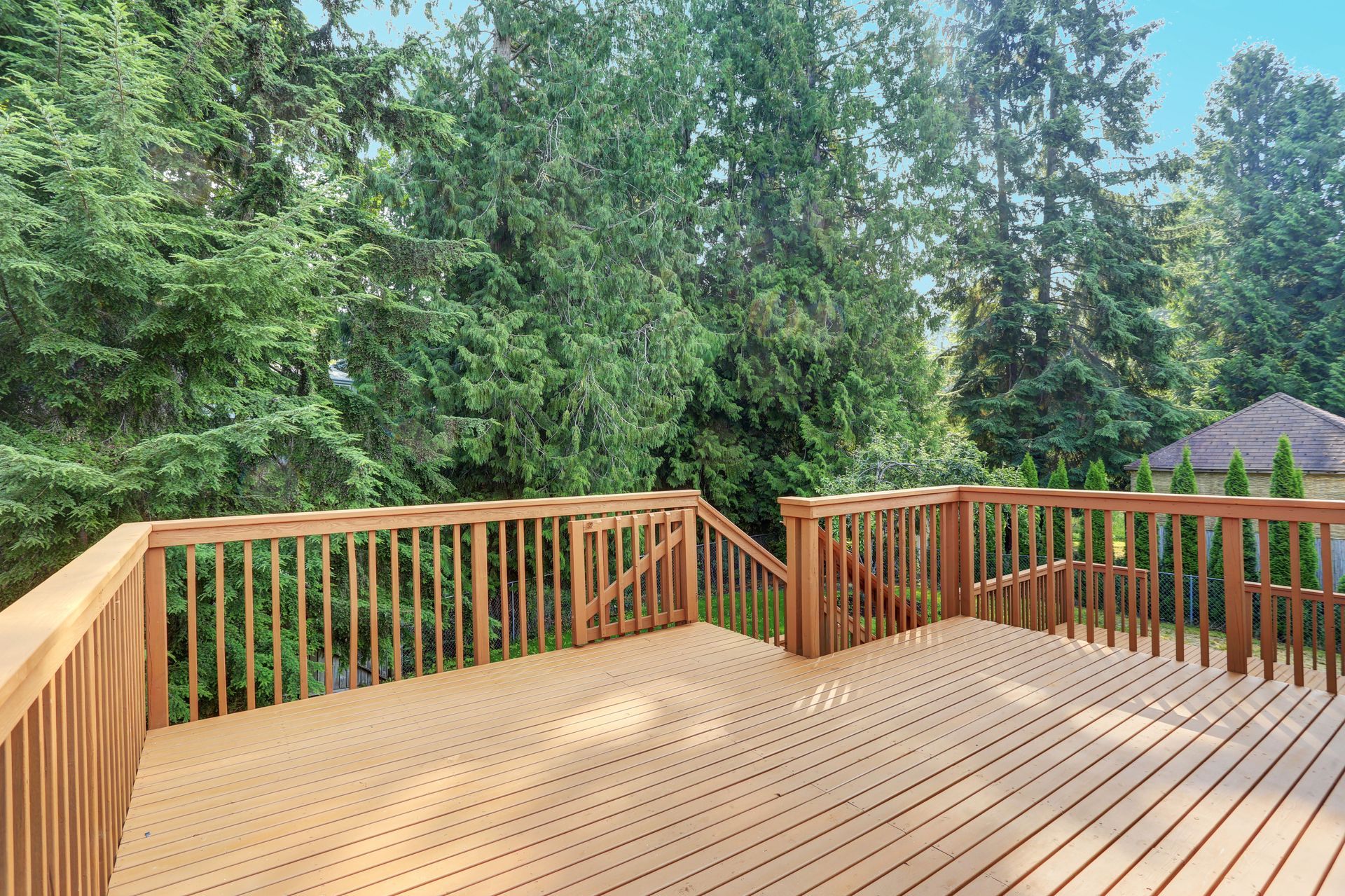
Regular cleaning is still important for maintaining an attractive surface. Dirt, leaves, pollen, and other outdoor debris can accumulate over time, particularly in spaces surrounded by trees or landscaping. Simple routine care can help preserve the appearance of the boards without requiring the extensive refinishing that may be associated with some wood surfaces.
This lower-maintenance quality can be especially valuable for busy households. Instead of planning outdoor projects around recurring surface treatments, homeowners can focus their attention on enjoying the finished space. The amount of maintenance will depend on the specific product and surrounding conditions, but composite materials are generally designed with everyday convenience in mind.
Improve Long-Term Durability
Outdoor decking must contend with conditions that interior flooring never encounters. Rain, sunlight, moisture, temperature changes, and regular foot traffic can all affect an outdoor surface. Composite decking is engineered to withstand ordinary outdoor exposure, making durability an important consideration for homeowners planning a long-term improvement.
A durable surface can also make an outdoor area more practical for everyday use. Decks may support patio furniture, dining sets, grills, planters, and other features that contribute to an outdoor living environment. Choosing materials designed for outdoor applications can help the finished space remain functional as homeowners use it in different ways.
Proper installation plays an equally important role in long-term performance. Even quality decking materials need appropriate structural support, fastening, spacing, drainage, and ventilation. A carefully planned installation can help manage moisture and movement while creating a stable surface for regular use.
Enhance Visual Appeal
Today's composite decking products can provide considerably more design flexibility than homeowners may expect. Manufacturers offer materials in various colors, patterns, textures, and finishes, giving property owners opportunities to create a deck that complements the existing home. Some products incorporate realistic wood-grain details to create a natural appearance while retaining the practical characteristics of composite construction.
Color selection can have a meaningful effect on the overall appearance of an outdoor area. Lighter tones may create an open and airy feeling, while darker finishes can provide a more dramatic contrast against landscaping and exterior walls. Neutral shades can also coordinate easily with different furniture styles and architectural materials.
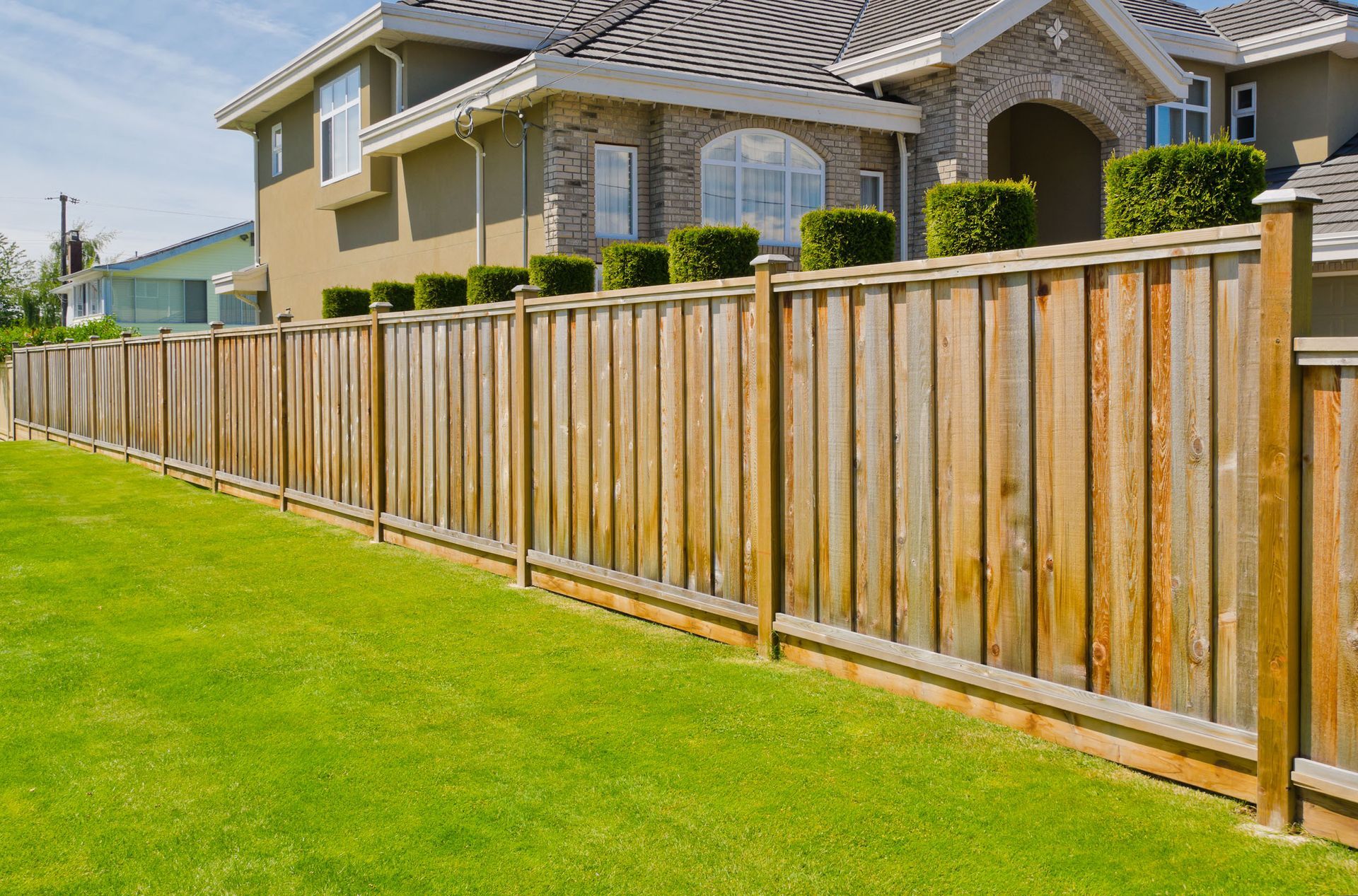
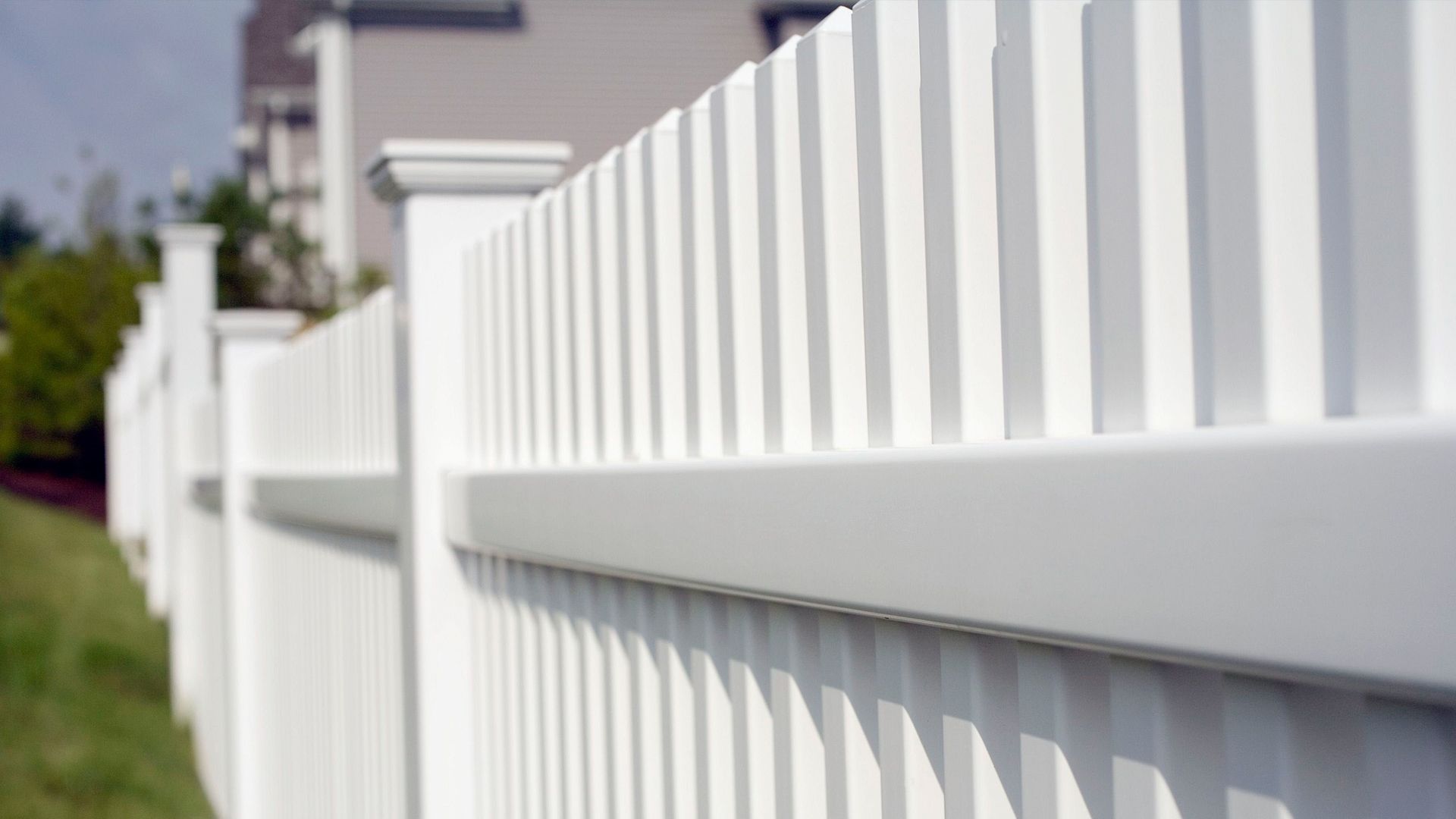
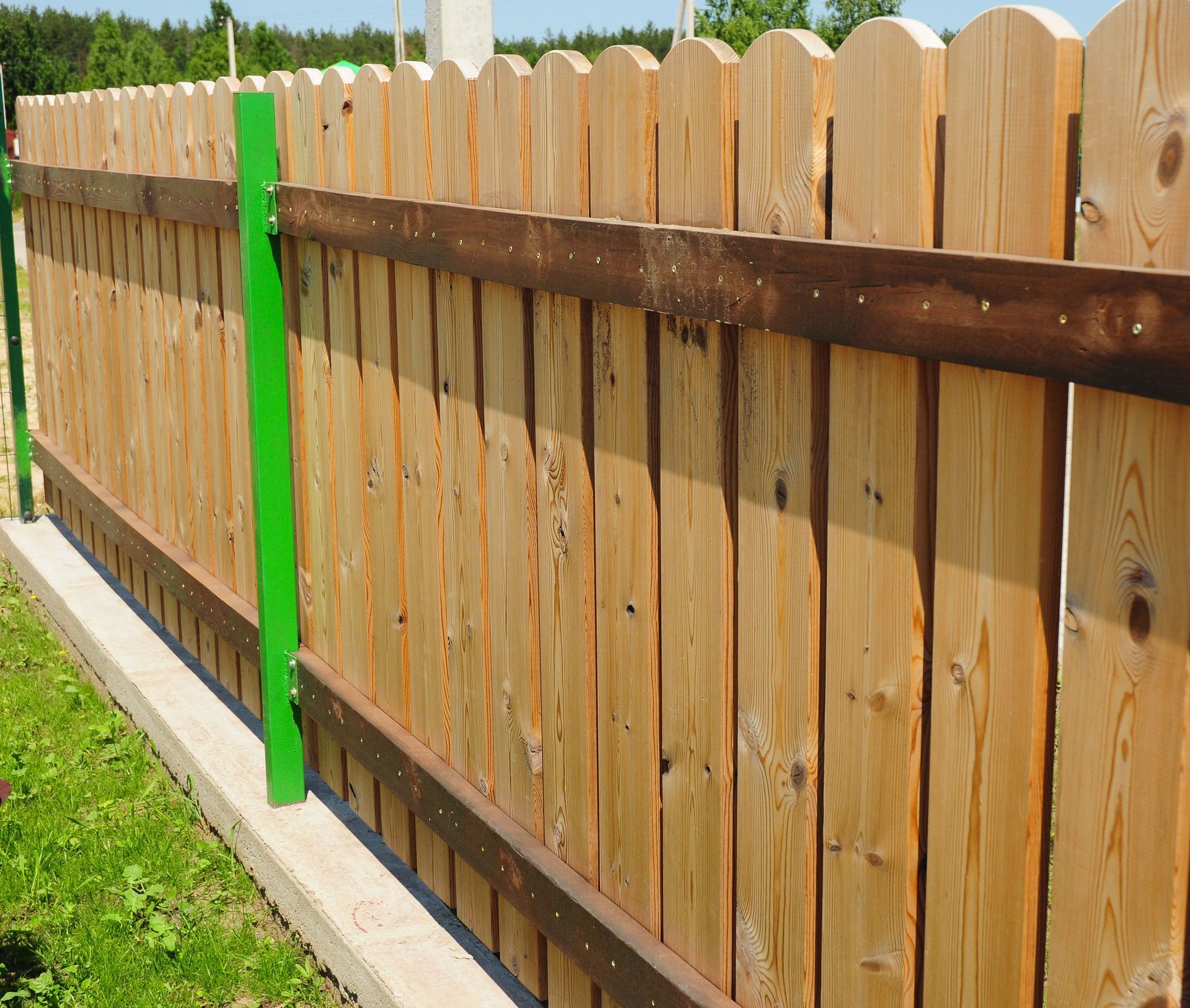
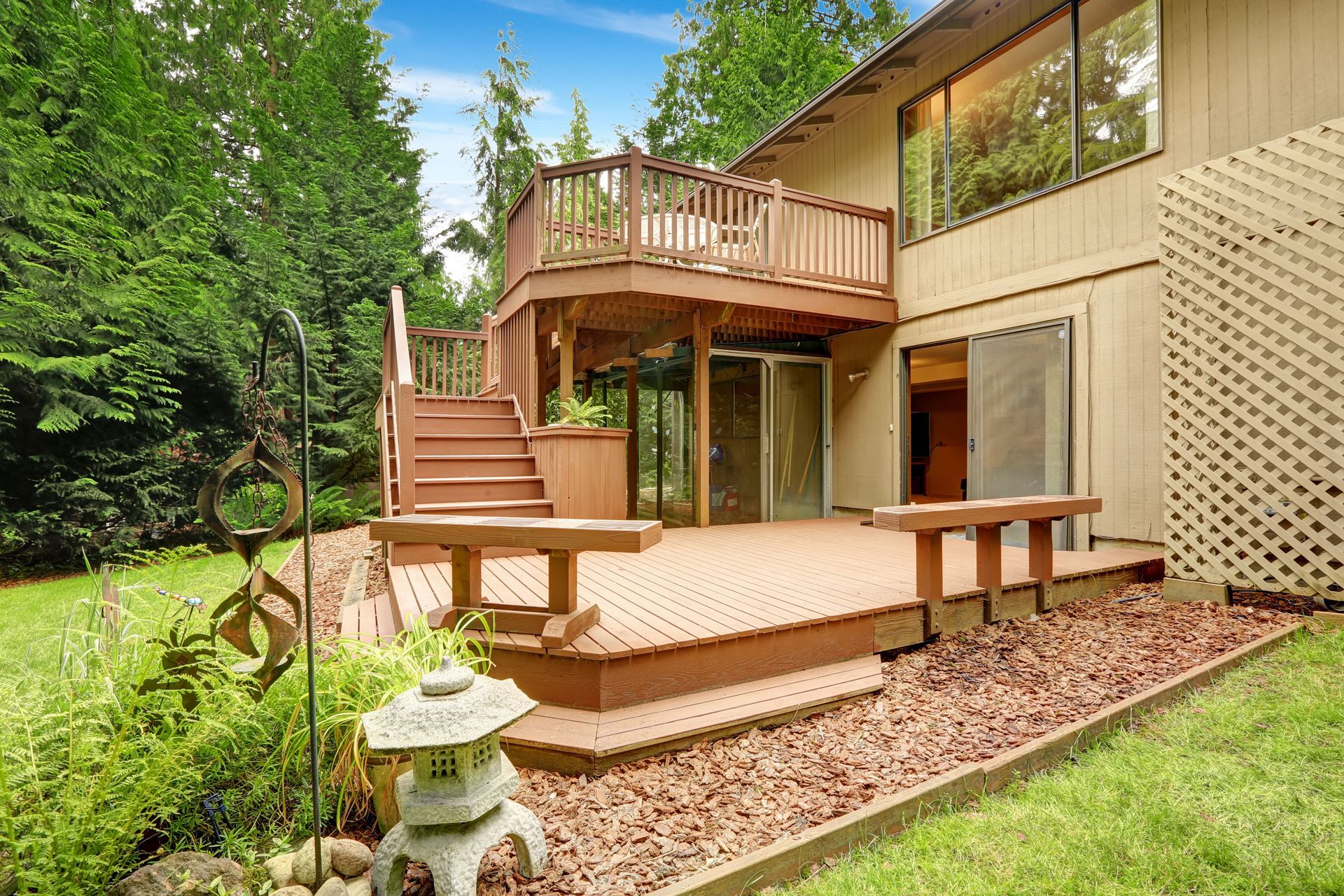
The deck does not have to function as an isolated feature. Its appearance can be coordinated with fencing, landscaping, outdoor lighting, railings, stairs, and other elements around the property. When these features work together visually, the outdoor area can feel like a deliberate extension of the home's overall design.
According to Yahoo Finance, North America represented 49.4% of the composite decking and railing market by value in 2025, highlighting the substantial role the region played in this market during that period.
Support Comfortable Outdoor Living
An outdoor deck can provide more than additional square footage. It can create a designated setting for activities that might otherwise take place indoors. Homeowners may use the space for morning coffee, family meals, casual gatherings, reading, entertaining, or simply enjoying the surrounding landscape.
Composite decking can serve as the foundation for these different activities while providing a consistent surface beneath outdoor furnishings. A thoughtfully designed deck can accommodate seating arrangements, dining areas, cooking equipment, and decorative elements without making the space feel disconnected from the home.
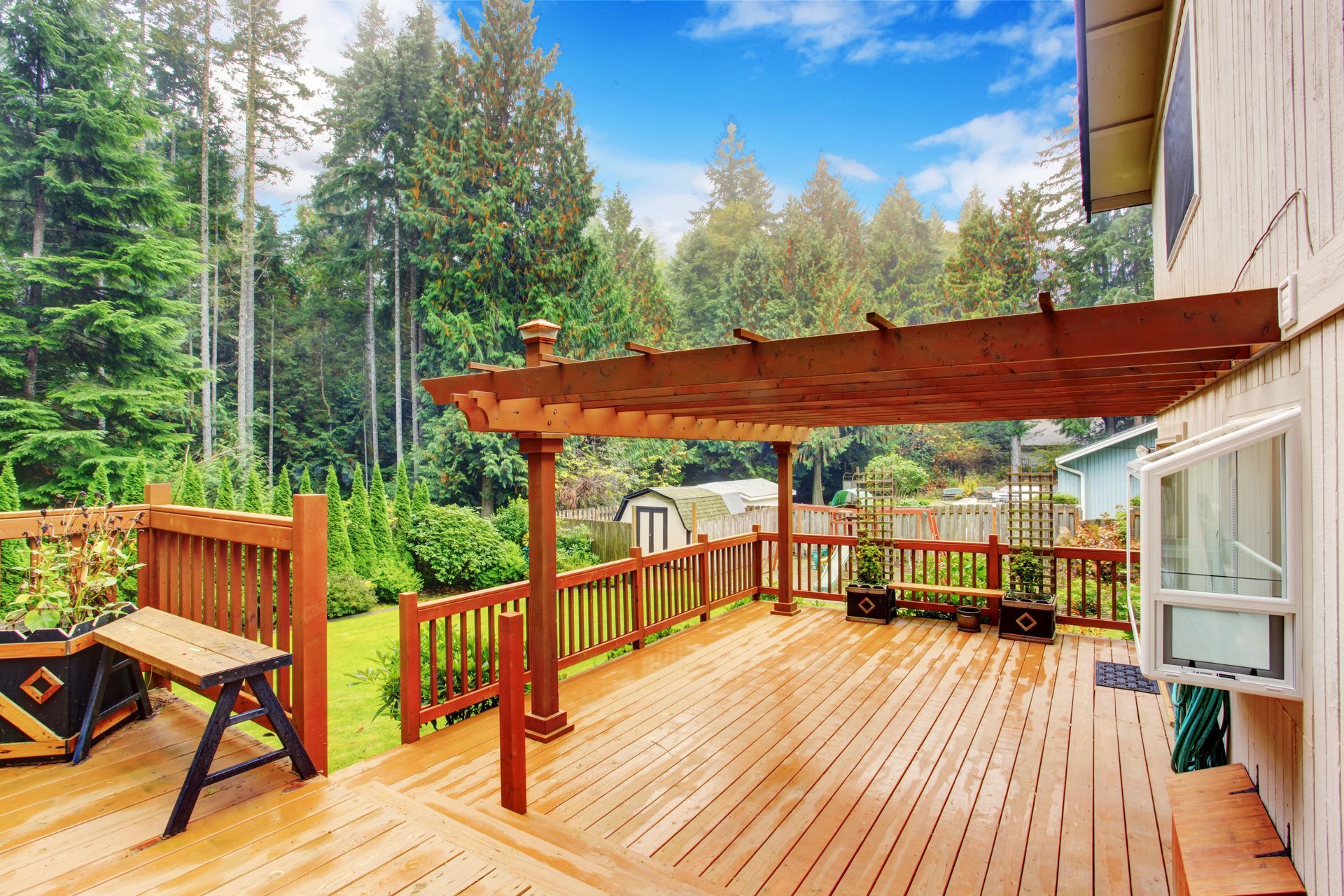
Comfort should also be considered during the planning stage. The orientation of the deck, its relationship to the house, and the placement of shade or privacy features can influence how frequently the space gets used. Landscaping, pergolas, umbrellas, lighting, and strategically positioned furniture can all contribute to a more enjoyable outdoor environment.
Select Materials for Outdoor Conditions
Every property has its own environmental characteristics, so material selection should account for the conditions surrounding the planned deck. Direct sunlight, frequent rainfall, humidity, drainage patterns, and nearby vegetation can all influence how an outdoor surface performs over time.
Homeowners should think about how much exposure the deck will receive throughout the day. A heavily sun-exposed area may have different considerations from a space that remains shaded for much of the day. Understanding the property's conditions can help homeowners select products and installation methods that are appropriate for the environment.
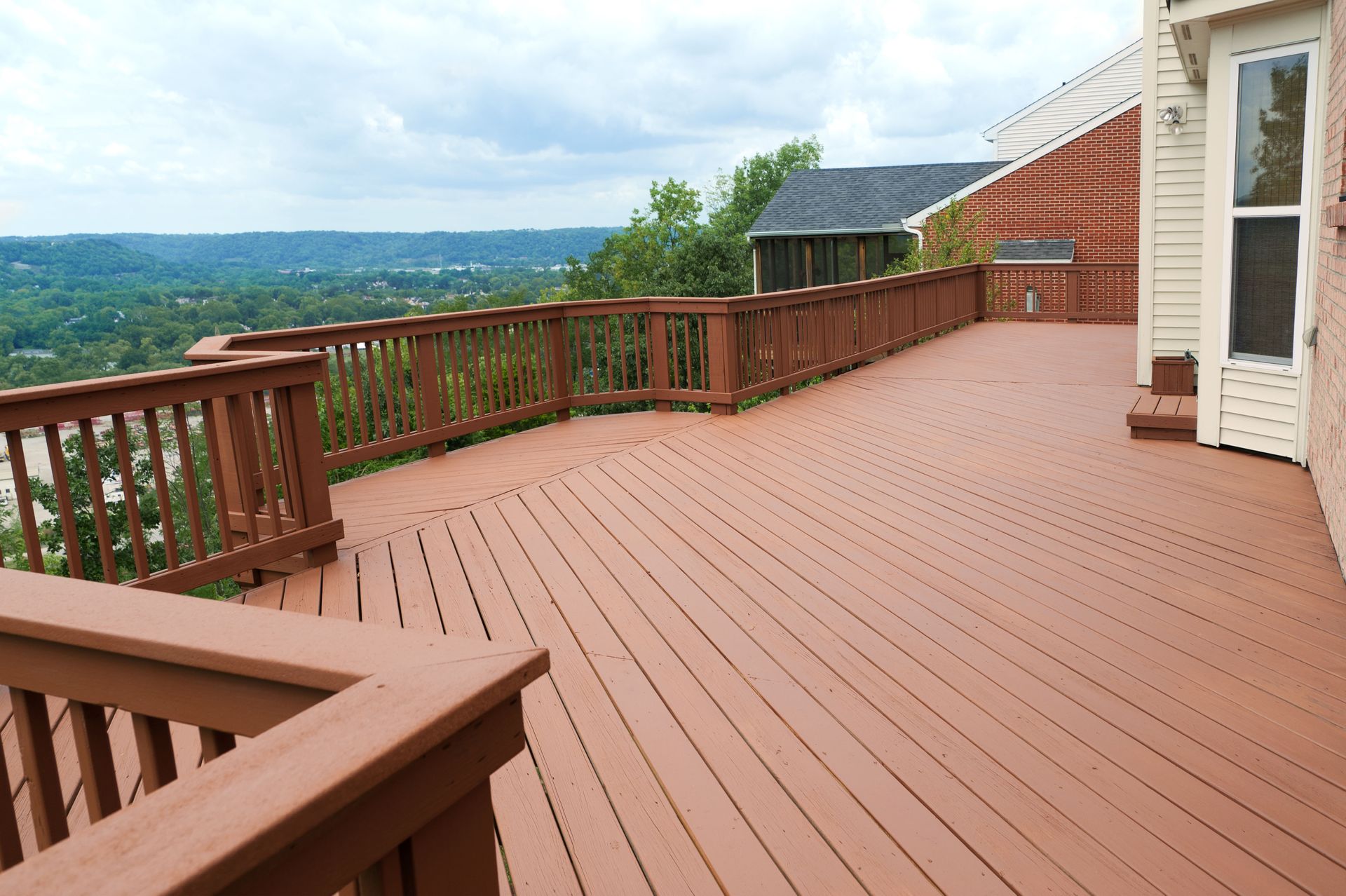
Drainage is another important consideration. Water should have a suitable path away from the structure rather than collecting beneath or around the decking. Proper planning can help protect the supporting structure and reduce moisture-related concerns. The surrounding grade, existing landscaping, and connection between the deck and house should all be considered before construction begins.
The intended use of the space matters as well. A deck designed primarily for quiet relaxation may require a different layout from one intended for frequent gatherings. Considering furniture, traffic patterns, access points, stairs, and other features in advance can help create a more functional finished area.
Plan a Cohesive Outdoor Space
A successful deck project involves more than choosing boards. The layout, railing style, stairs, furniture placement, landscaping, lighting, and relationship to the house all contribute to the finished appearance. Composite decking can provide a versatile foundation around which these other elements are planned.
The size and shape of the available area can also influence the design. A compact space may benefit from a streamlined layout that avoids unnecessary features, while a larger property may provide room for separate zones dedicated to dining, seating, or entertainment. Designing around the available space can help prevent the finished deck from feeling either cramped or unnecessarily expansive.
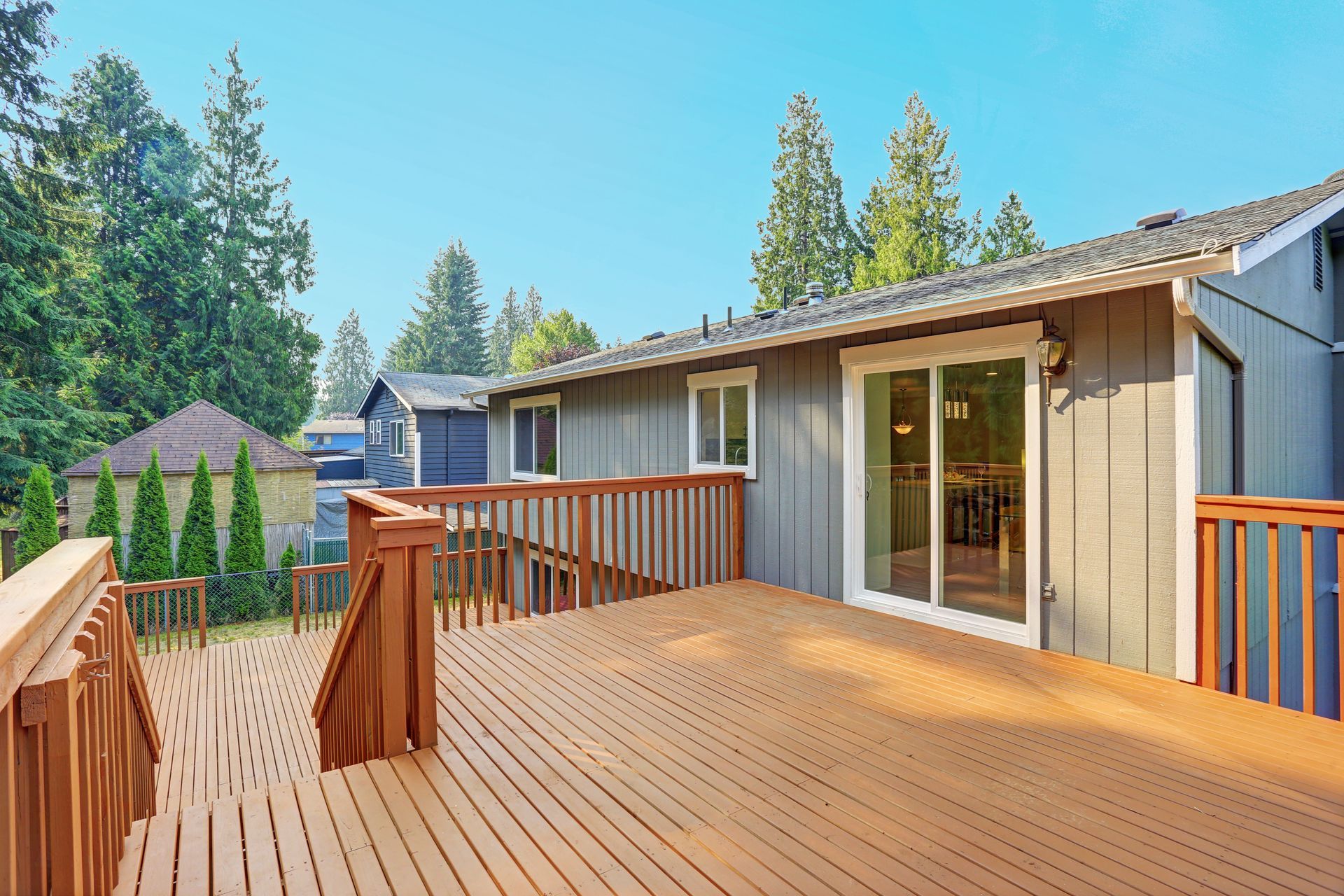
Transitions between the home and deck deserve particular attention. The location of doors, steps, walkways, and surrounding landscaping can affect how naturally people move between indoor and outdoor areas. A thoughtfully positioned deck can make outdoor access feel convenient while creating a stronger visual connection between the house and yard.
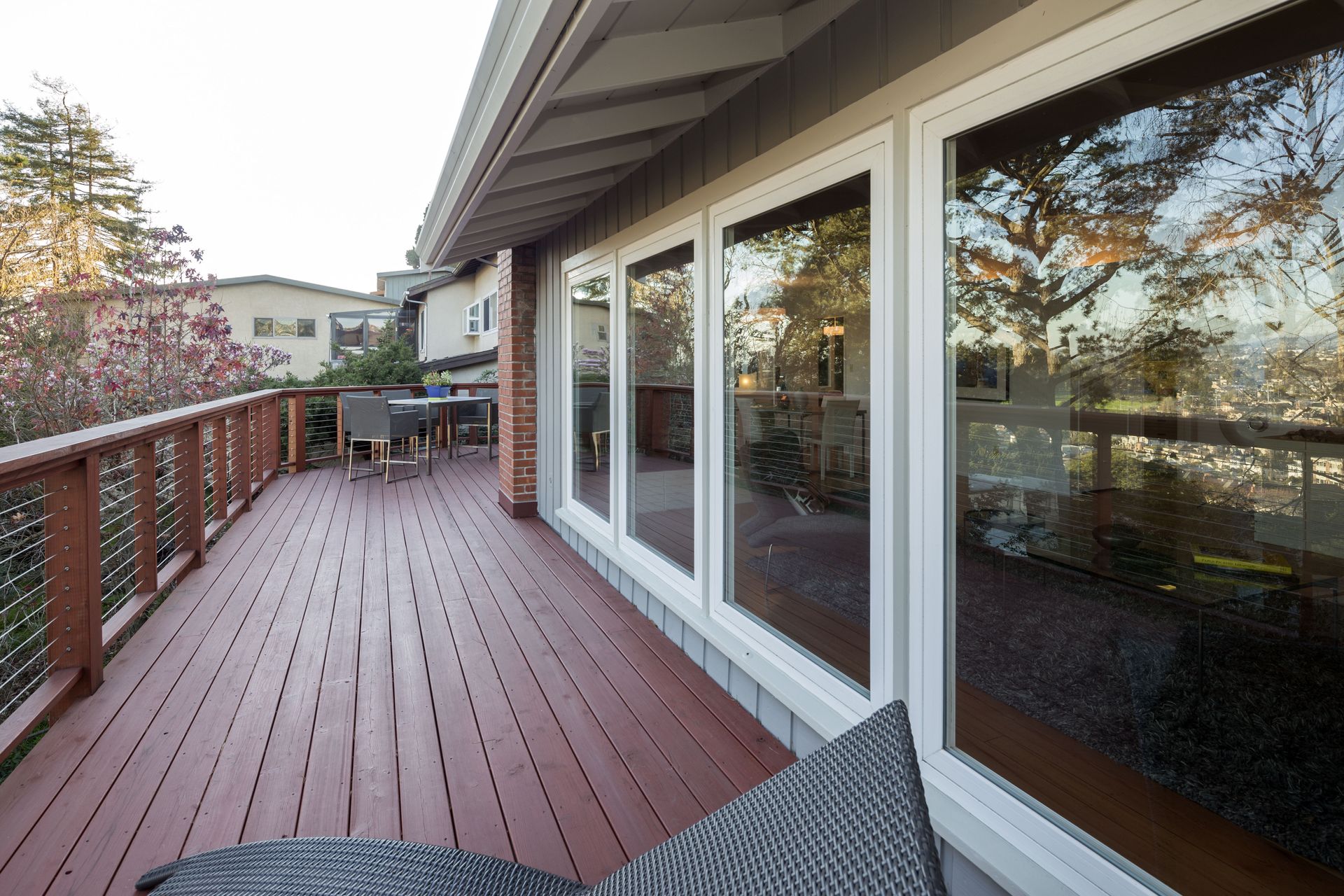
Homeowners may also want to consider how the outdoor space will look from inside the house. A deck that is visible through windows or glass doors becomes part of the home's visual environment even when nobody is outside. Coordinating materials and landscaping with the home's exterior can therefore contribute to a more cohesive appearance.
Consider The Value of Professional Installation
Choosing the right materials is only part of creating a successful outdoor project. Installation quality can have a significant effect on the finished appearance and long-term functionality of the deck. Accurate measurements, appropriate framing, proper fastening, and careful board placement can all contribute to a more polished result.
Professional installation can also help homeowners address details that may be easy to overlook during the planning process. Drainage, transitions, stairs, railings, structural requirements, and the relationship between the deck and existing structures all need to work together. Addressing these elements before construction can help reduce problems during the project.
Experienced professionals can also help homeowners evaluate design possibilities based on the property and intended use. This can make it easier to determine where seating should go, how people will enter the space, and which complementary features make sense.
Ready to transform your outdoor area? Contact Leon Fence today to start planning a deck that fits your home, lifestyle, and vision.
Share On: